
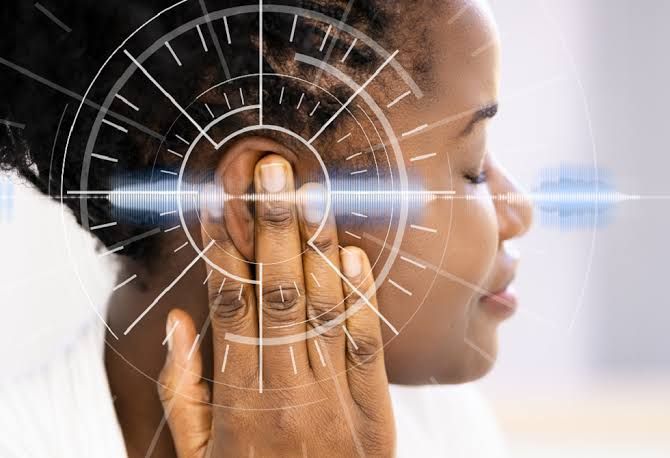
Can Hearing Loss Be Prevented? 10 Simple Ways to Protect Your Hearing
Hearing is one of our most valuable senses, yet it is often taken for granted until problems begin to appear. While not every type of hearing loss can be prevented, many cases—especially those caused by noise exposure or lifestyle habits—can be significantly reduced with the right precautions.
Protecting your hearing today can help you enjoy conversations, music, and everyday sounds for years to come.
What Causes Hearing Loss?
Hearing loss can occur for several reasons, including:
Aging
Exposure to loud noise
Ear infections
Certain medications
Genetic factors
Head injuries
Although aging and genetics cannot be controlled, many other risk factors can be managed through healthy hearing habits.
1. Keep the Volume at a Safe Level
Listening to music through headphones at a high volume for long periods is one of the leading causes of preventable hearing loss.
Experts recommend following the 60/60 Rule:
Listen at no more than 60% volume Limit listening sessions to 60 minutes at a time
2. Wear Hearing Protection in Noisy Environments
If you work or spend time in loud places such as:
Construction sites Factories Concerts Sporting events
use earplugs or earmuffs to reduce harmful noise exposure.
3. Give Your Ears Time to Recover
After spending time in a noisy environment, allow your ears several hours of quiet to recover. Continuous exposure without breaks increases the risk of permanent hearing damage.
4. Avoid Inserting Objects into Your Ears
Cotton swabs and other objects may push earwax deeper into the ear canal and even damage the eardrum. Instead, seek professional care if earwax becomes excessive.
5. Protect Your Ears from Water and Infections
Keeping your ears dry after swimming and treating ear infections promptly can reduce the risk of hearing complications.
6. Manage Chronic Health Conditions
Conditions such as:
Diabetes High blood pressure Cardiovascular disease
may affect blood flow to the inner ear and contribute to hearing problems. Regular medical follow-up supports both overall and hearing health.
7. Avoid Smoking
Smoking reduces oxygen supply to the delicate structures of the inner ear and has been linked to an increased risk of hearing loss.
Quitting smoking benefits not only your hearing but also your overall health.
8. Schedule Regular Hearing Checkups
Routine hearing evaluations help detect changes before they become noticeable.
Early diagnosis allows timely treatment and better long-term outcomes.
Adults over 50 and anyone exposed to frequent loud noise should consider regular hearing assessments.
9. Know the Warning Signs
Do not ignore symptoms such as:
Ringing in the ears Difficulty following conversations Frequently asking others to repeat themselves Turning up the TV volume Trouble hearing in noisy places
These may indicate early hearing loss.
10. Seek Professional Advice Early
The earlier hearing changes are identified, the more treatment options may be available.
Whether you need hearing protection advice, hearing tests, or hearing aid solutions, early consultation can make a significant difference.
Can All Hearing Loss Be Prevented?
Not all types of hearing loss can be prevented.
Age-related hearing loss and some genetic conditions cannot always be avoided.
However, adopting healthy hearing habits can reduce your risk and help preserve your hearing for as long as possible.
Conclusion
Healthy hearing starts with simple daily habits.
By protecting your ears from loud noise, maintaining a healthy lifestyle, and scheduling regular hearing evaluations, you can reduce the risk of preventable hearing loss and enjoy better hearing throughout life.
Frequently Asked Questions ##Can loud music permanently damage hearing?
Yes. Prolonged exposure to loud sounds can permanently damage the sensitive hair cells inside the inner ear.
Are earphones harmful?
Not when used responsibly. Keep the volume moderate and avoid listening for extended periods.
How often should adults have a hearing test?
Adults over 50 or anyone exposed to loud environments should consider regular hearing evaluations.
What is the safest way to clean ears?
Avoid inserting objects into the ear canal. If you suspect excessive earwax, consult a healthcare professional.
Protect your hearing before problems begin. Book a professional hearing assessment with El Nahar Medical Solutions and take the first step toward better hearing health.