
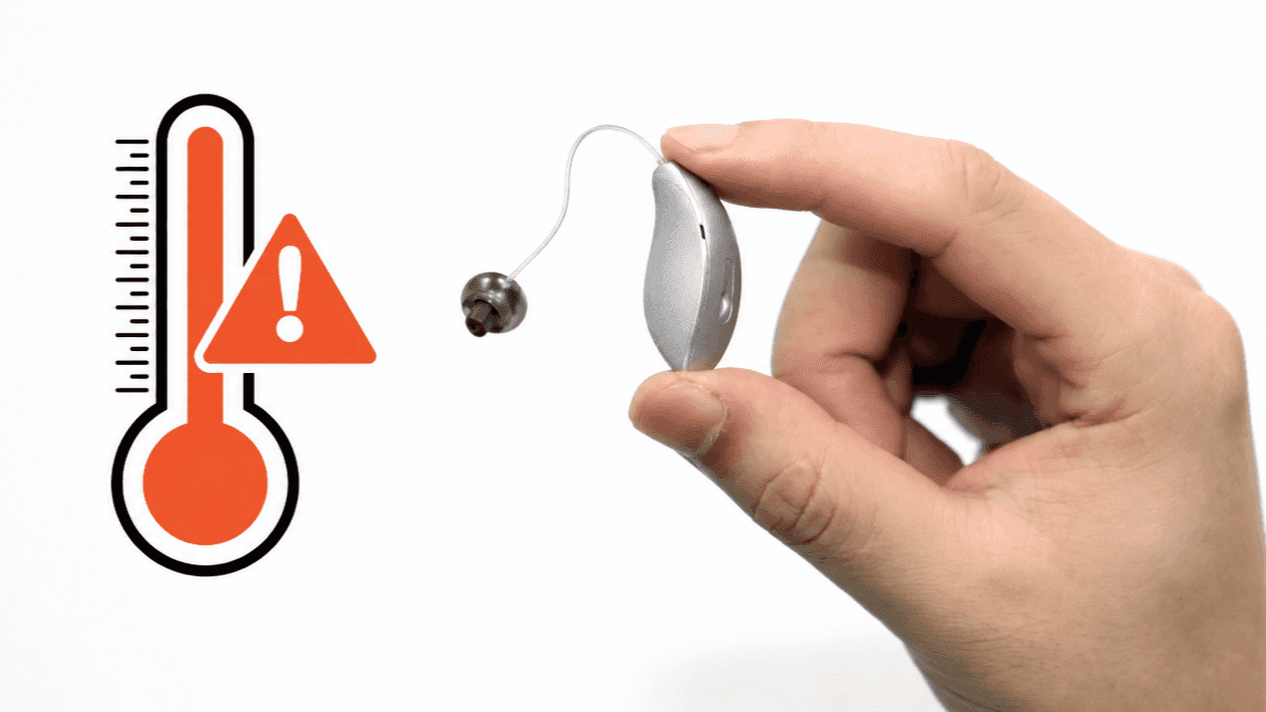
How to Protect Your Hearing Aids from Heat, Dust, and Humidity in Egypt
**Hearing aids ** are small electronic devices that are used for many hours every day. In Egypt, high temperatures, dust, perspiration, and changes between outdoor heat and air-conditioned rooms can affect their performance.
Proper daily care can help protect your hearing aids, improve their reliability, and reduce the need for repairs.
Why Heat and Humidity can affect Hearing Aids
Hearing aids contain sensitive microphones, receivers, batteries, and electronic components. Excessive heat can damage these parts, while moisture from humidity or perspiration may enter the device and affect its performance.
Moving between hot outdoor weather and a cool, air-conditioned room may also cause condensation to develop. Even water-resistant hearing aids should be protected from unnecessary exposure to water and moisture.
1. Store Your Hearing Aids in a Cool, Dry Place
When you are not wearing your hearing aids, keep them inside their protective case in a cool and dry location. Avoid leaving them in direct sunlight, inside a parked car, near a window, or in a humid bathroom.
Rechargeable hearing aids and their chargers should also be kept away from heat, water, and excessive humidity.
2. Protect Them from Water and Perspiration
Remove your hearing aids before showering, swimming, or using large amounts of water around your face and hair. After exercise or time outdoors, gently wipe the devices with a clean, soft, dry cloth.
Make sure your ears are dry before putting the hearing aids back in. Do not use water, household cleaning products, alcohol, or oil to clean the devices unless the manufacturer specifically instructs you to do so.
3. Clean Your Hearing Aids Daily
Dust and earwax can block the microphones, receivers, or wax guards and reduce sound quality. Use the cleaning tools recommended for your hearing-aid model.
Carefully inspect the earpiece, microphone openings, receiver, wax guard, and charging contacts. If a part is blocked or damaged, contact a hearing-care professional instead of inserting sharp objects into the device.
4. Consider Using a Hearing-Aid Drying System
A hearing-aid drying system or dehumidifier can help remove moisture that builds up during daily use. This may be particularly helpful during hot weather or for people who perspire heavily.
Ask a hearing-care professional which drying system is compatible with your hearing aids. Rechargeable devices should only be placed in drying equipment that is approved for their specific model.
5. Keep Hair and Skin Products Away
Hairspray, perfume, sunscreen, creams, and similar products may block hearing-aid openings or leave residue on the device. Apply these products before inserting your hearing aids, wash and dry your hands, and then put the devices on.
6. Watch for Signs That Your Hearing Aids Need Service
Your hearing aids may require professional attention if:
• The sound becomes weak, unclear, or distorted • The device stops working at certain times • The battery drains faster than usual • The hearing aid does not charge correctly • You notice visible moisture, damage, or blockage • Whistling continues after the hearing aid is correctly inserted
Do not open or attempt to repair the internal components yourself. Professional inspection can help identify whether the problem is caused by moisture, earwax, a damaged part, or the device’s programming.
How El Nahar Can Help
El Nahar for Medical Solutions provides professional hearing-aid support, including inspection, cleaning, maintenance, and programming. Our specialists can also explain the correct care routine for your hearing-aid model and help you select compatible cleaning tools and accessories.
If your hearing aid is not performing properly, contact El Nahar or visit one of our branches for professional assistance.
Final Advice
A few minutes of daily care can make a major difference. Keep your hearing aids clean and dry, protect them from extreme heat, and arrange professional maintenance whenever you notice a change in their performance. ** Sources:
**National Institute on Deafness and Other Communication Disorders — Hearing Aids: https://www.nidcd.nih.gov/health/hearing-aids
Starkey — Hearing Aid Use and Care: https://www.starkey.com/support/use-and-care**