
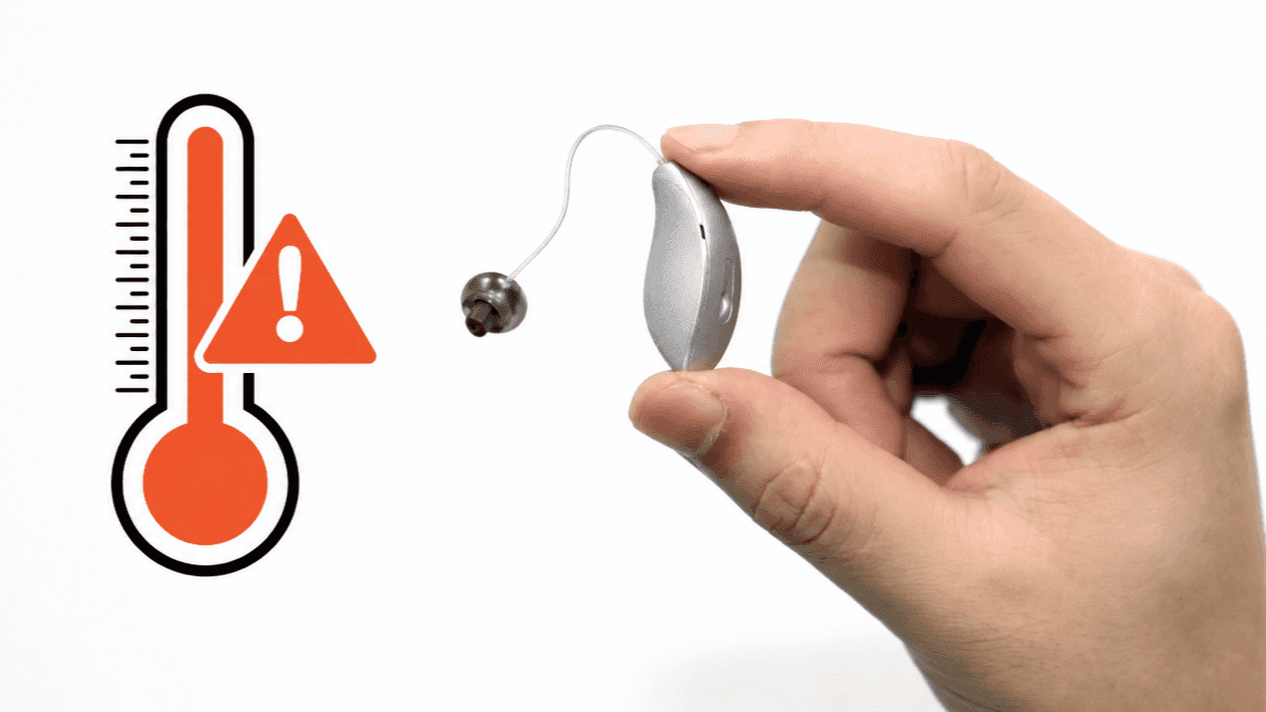
How to Protect Your Hearing Aids from Heat, Dust, and Humidity in Egypt
Hearing aids are small electronic devices that are often worn for many hours every day. In Egypt, high temperatures, dust, sweat, and humidity can affect their performance, especially during hot weather.
Moving between the outdoor heat and air-conditioned indoor environments can also expose hearing aids to changes in temperature and moisture. Proper hearing aid care, regular cleaning, and correct storage can help protect your devices, maintain their performance, and reduce the risk of problems or damage.
For a broader overview of hearing aid types, technologies, and how to choose the right solution, explore our complete guide to hearing aids in Egypt.
Why Can Heat and Humidity Affect Hearing Aids?
Hearing aids contain microphones, receivers, batteries, and sensitive electronic components. Excessive heat and moisture from humidity or sweat may affect these components and the performance of the device.
Moving between hot outdoor environments and cool air-conditioned spaces may also expose hearing aids to changes in temperature and moisture.
Even hearing aids designed with different levels of water and moisture resistance should be used and cared for according to the manufacturer's instructions, as the level of protection varies between models.
How to Protect Your Hearing Aids from Heat, Humidity, and Dust
Following a few simple steps regularly can help protect your hearing aids and maintain their performance during everyday use.
1.Store Your Hearing Aids in a Cool, Dry Place
When you are not wearing your hearing aids, place them in their protective case and store them in a cool, dry location.
Avoid leaving hearing aids in direct sunlight, inside a parked car, near a sunny window, or in areas with excessive humidity.
Rechargeable hearing aids and their charging devices should also be kept away from excessive heat, water, and moisture.
2.Protect Your Hearing Aids from Water and Sweat
Remove your hearing aids before showering, swimming, or using large amounts of water around your face and hair, unless the manufacturer's instructions for your specific model state otherwise.
After exercising or spending extended periods outdoors, gently wipe the hearing aids with a clean, soft, dry cloth.
Make sure your ears are dry before putting the hearing aids back on. Do not use water, household cleaning products, alcohol, or oils to clean the devices unless specifically recommended by the manufacturer.
3.Clean Your Hearing Aids Regularly
Dust and earwax can build up around hearing aid components such as microphone openings, receivers, and wax filters, which may affect sound quality.
Use the appropriate cleaning tools recommended for your hearing aid model. Regularly check the earpiece, microphone openings, receiver, wax filter, and charging contacts.
If you notice a blockage or damage that cannot be resolved through routine cleaning, seek professional technical support rather than inserting sharp objects into the device.
4.Use an Appropriate Hearing Aid Drying System When Needed
Some hearing aid drying systems and dehumidifiers can help reduce moisture that may accumulate during everyday use, particularly in hot weather or for people who sweat frequently.
Always make sure the drying system is compatible with your hearing aid and follow the manufacturer's instructions, especially when using rechargeable hearing aids.
To learn more, explore the benefits of rechargeable hearing aids and how they may fit different lifestyles and needs.
5.Keep Hair and Skincare Products Away from Your Hearing Aids
Hair spray, perfumes, sunscreen, creams, and similar products may leave residue on hearing aids or affect their openings and components.
It is better to apply these products before putting on your hearing aids. Wash and dry your hands thoroughly before handling the devices.
6.Watch for Signs That Your Hearing Aids May Need Maintenance
Your hearing aids may need inspection or maintenance if you notice:
The sound has become weak, unclear, or distorted.
The hearing aid stops working intermittently.
The battery drains faster than usual.
A rechargeable hearing aid is not charging properly.
There is visible moisture, damage, or blockage.
Whistling or feedback continues unexpectedly.
If whistling or feedback is the main problem, learn more about why hearing aids whistle and how to manage hearing aid feedback.
Do not open the internal components or attempt to repair the hearing aid yourself. A professional technical inspection can help determine whether the problem is related to moisture, earwax buildup, a damaged component, or the device settings.
How Can El Nahar Help You Care for Your Hearing Aids?
El Nahar Medical Solutions provides hearing aid maintenance and technical support through an accredited maintenance center, along with hearing aid programming and adjustment services and after-sales support.
The El Nahar team can also provide guidance on caring for your hearing aid and using appropriate accessories and maintenance products according to the specific model.
If you notice a change in your hearing aid's performance or your device requires inspection or maintenance, contact El Nahar for professional technical support.
Learn more about El Nahar's maintenance and technical support services.
Tips for Maintaining Your Hearing Aids' Performance
A few minutes of regular hearing aid care can help maintain your devices and their performance over time. Keep your hearing aids clean and dry, protect them from excessive heat and moisture, clean them according to the manufacturer's recommendations, and seek professional maintenance if you notice any changes in their performance.
For more information about hearing aid types, technologies, and the factors to consider when choosing a hearing solution, read our complete guide to hearing aids in Egypt.
Sources
National Institute on Deafness and Other Communication Disorders (NIDCD) — Hearing Aids Starkey — Hearing Aid Use and Care