
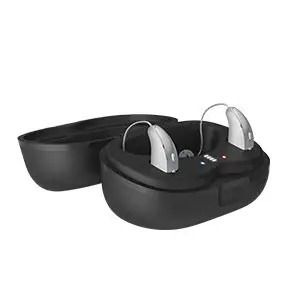
Benefits of Rechargeable Hearing Aids and Why They Have Become a Popular Choice
Rechargeable hearing aids have become an increasingly common option as hearing aid technology continues to evolve. Instead of regularly replacing small disposable batteries, many modern hearing aids can be charged using a compatible charging system, making everyday use simpler and more convenient.
For users looking for an easy-to-manage hearing solution, rechargeable technology can offer several practical advantages. However, battery type is only one of the factors to consider when choosing a hearing aid.
To learn more about different hearing aid styles, modern technologies, and the factors to consider when selecting the right device, explore our complete guide to hearing aids in Egypt.
What Are Rechargeable Hearing Aids?
Rechargeable hearing aids use built-in rechargeable batteries instead of disposable batteries that need to be replaced when they run out of power.
The hearing aids are typically charged using a compatible charger designed for the specific model. Many users place their hearing aids in the charger when they are not in use, such as overnight, so they are ready for the next day.
Battery life and charging time vary between models. Daily battery performance may also be affected by factors such as wireless connectivity, audio streaming, and how the hearing aids are used throughout the day.
What Are the Benefits of Rechargeable Hearing Aids?
Rechargeable hearing aids offer several practical advantages that can make everyday hearing aid use easier for many users.
1. Easy Everyday Use
One of the main benefits of rechargeable hearing aids is that users do not need to regularly replace small disposable batteries.
Instead, the hearing aids can be placed in their compatible charger after use, making charging a simple part of the daily routine.
2. Long Hours of Daily Use
Many modern rechargeable hearing aids are designed to provide power for extended periods of everyday use.
However, actual battery life varies depending on the model and how the hearing aid is used. Features such as audio streaming, smartphone connectivity, and other wireless functions may affect battery performance.
Always check the specifications of the individual model for its expected battery life and charging time.
3. Less Reliance on Disposable Batteries
Rechargeable hearing aids reduce the need to purchase, carry, and regularly replace disposable hearing aid batteries.
This can be particularly convenient for users who prefer a consistent charging routine rather than keeping replacement batteries available.
4. Easier Handling for Some Users
Replacing small hearing aid batteries can be difficult for some people, particularly users who find handling small components challenging.
Rechargeable hearing aids can simplify this process because the devices are placed in a charger instead of requiring frequent opening of a battery compartment and manual battery replacement.
5. A Simple Daily Charging Routine
Rechargeable hearing aids can make it easier to establish a consistent routine: wear the hearing aids during the day and place them in their charger when they are not being used.
Charging options and features vary between manufacturers and models, so users should always use a compatible charger and follow the manufacturer's instructions.
Rechargeable vs. Replaceable-Battery Hearing Aids
There is no single battery option that is right for every hearing aid user.
Rechargeable hearing aids may be suitable for users who prefer convenient charging and want to avoid regularly handling small batteries.
Hearing aids with replaceable batteries, on the other hand, may appeal to users who prefer to carry spare batteries and replace them when needed without waiting for the device to recharge.
The choice between the two can depend on factors such as:
Daily routine and lifestyle.
How long the hearing aids are used each day.
Ease of handling small batteries.
Regular access to charging.
Required hearing aid features.
Hearing aid style and available models.
Individual needs and preferences.
To explore the different hearing aid designs and their features, read Different Types of Hearing Aids: A Guide to Choosing the Right Type.
Are Rechargeable Hearing Aids Right for You?
Rechargeable hearing aids can be a practical option for many users, but choosing a hearing aid should not be based on battery type alone.
Other important factors include the type and degree of hearing loss, hearing aid style, comfort, lifestyle, required features, ease of use, and the results of a professional hearing assessment.
The right hearing aid for one person may therefore not be the best option for another.
To explore the other factors to consider, read How to Choose the Right Hearing Aid for Your Lifestyle.
How to Care for Rechargeable Hearing Aids
To help maintain your hearing aids and charging system, always follow the manufacturer's instructions for your specific model.
Important care tips include:
Use the charger designed or approved for your hearing aid model.
Keep the charging contacts clean and dry.
Protect the hearing aids and charger from excessive heat and moisture.
Avoid using incompatible charging equipment.
Clean your hearing aids according to the recommended instructions.
Seek technical support if you notice charging problems or an unusual reduction in battery performance.
For more hearing aid care tips, read How to Protect Your Hearing Aids from Heat, Dust, and Humidity in Egypt.
Rechargeable Hearing Aids from El Nahar
El Nahar Medical Solutions provides a range of hearing aid solutions from leading international brands, including models with rechargeable technology.
Available models vary in hearing aid style, sound-processing technology, smart-device connectivity, charging options, and other features.
El Nahar also provides hearing aid programming and adjustment, maintenance, technical support, and after-sales services to help users get the most from their hearing aids and care for their devices properly.
Explore hearing aids available from El Nahar.
Learn more about El Nahar's hearing aid and technical support services.
How Do You Choose a Rechargeable Hearing Aid?
Rechargeable hearing aids offer a convenient way to use hearing aids without regularly replacing small disposable batteries. However, rechargeable technology should be considered alongside other important factors when selecting a device.
Before choosing a model, consider your hearing needs, lifestyle, preferred hearing aid style, expected battery life, connectivity and streaming features, ease of use, and maintenance requirements.
For a broader overview of hearing aid types, technologies, care, and the factors to consider when choosing the right hearing solution, read our complete guide to hearing aids in Egypt.
Sources
National Institute on Deafness and Other Communication Disorders (NIDCD) — Hearing Aids
Starkey — Rechargeable Hearing Aids